A Chatbot Is a Gateway to Your Business. Secure It Properly or It Becomes a Gateway for Attackers.
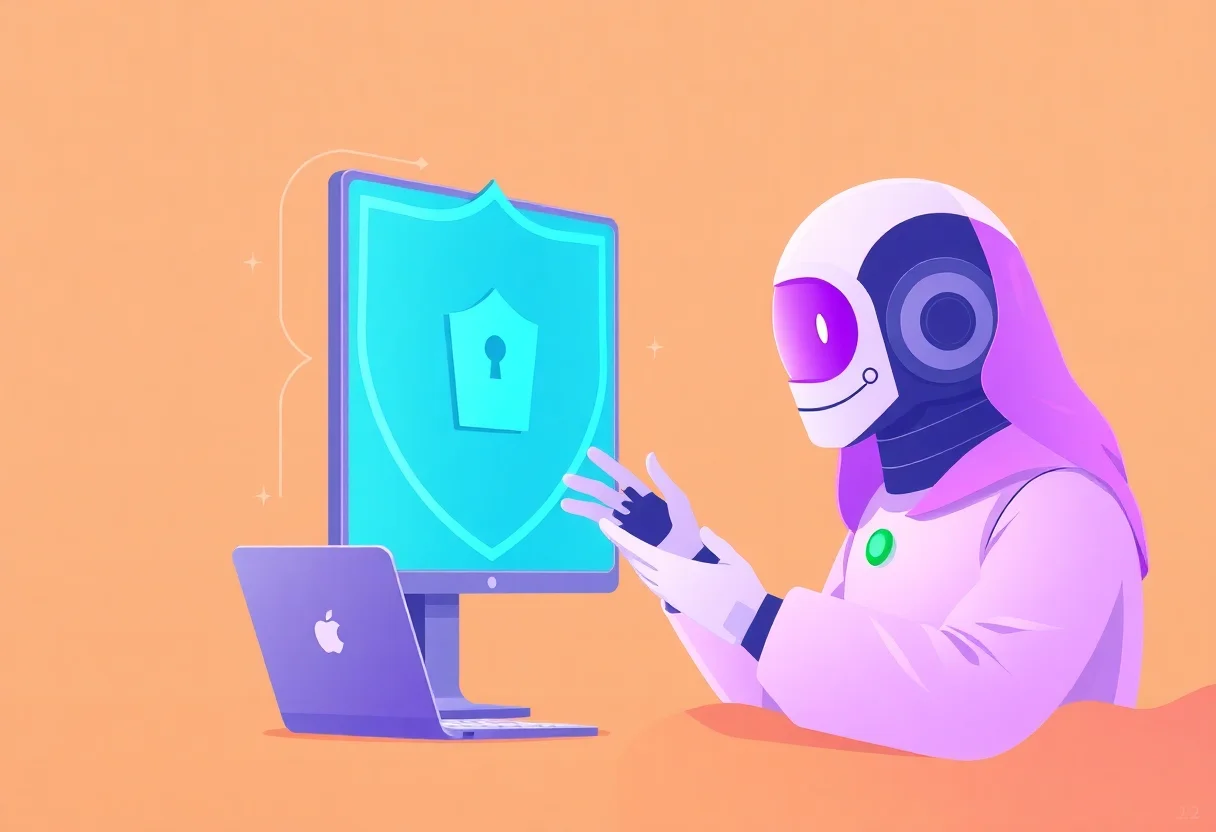
Chatbot security is often overlooked. Businesses focus on what the chatbot says and ignore who can access it, what data it stores, and how it is protected. A compromised chatbot can leak customer data, spread misinformation, or be used to attack your other systems. Here is how to secure yours.
“Your chatbot is a public-facing digital employee. It needs the same security protections you would give any system that handles customer data and represents your brand.”
Chatbot Security Essentials
1. Encrypt all data. Conversations in transit (HTTPS/TLS) and at rest. Your chatbot provider should confirm both. 2. Authenticate sensitive actions. Before the chatbot shares account details, order information, or personal data, verify the customer’s identity — not just by name, but by a verification code or logged-in status. 3. Rate limiting. Prevent attackers from sending thousands of messages to extract data or overwhelm the system. 4. Input validation. The chatbot should reject or sanitise suspicious inputs — scripts, SQL injection attempts, excessively long messages. 5. Regular security audits. Review chatbot conversation logs for suspicious patterns. Test the chatbot’s responses to probing questions. 6. Data retention policy. Do not keep conversation logs forever. Delete old data automatically. For secure chatbot solutions, see our AI chatbots page.
“A chatbot is only as secure as its weakest setting. Review every configuration. Test every scenario. Your customers trust you with their conversations — protect that trust.”