
AI Chatbots Are Evolving Fast. Here Is What Will Change — and What Will Stay the Same.
The AI chatbot you use today will look primitive in three years. Voice integration, video chatbots, predictive AI that initiates conversations before the customer asks — these are coming. But the fundamentals will not change: customers want answers fast, in their language, from a business that feels human. Here is what to prepare for.
“The technology changes every year. The customer need does not: answer my question, solve my problem, respect my time. Master those fundamentals and the technology serves you rather than confusing you.”
What Is Coming
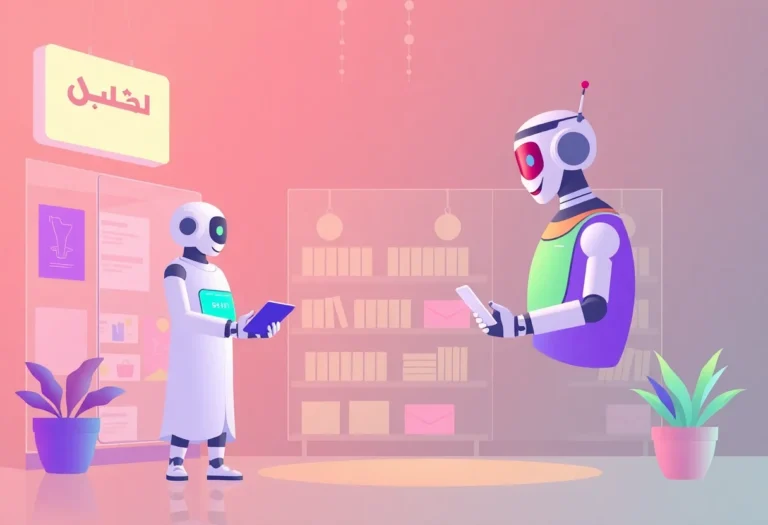
Voice chatbots in Arabic. Customers will speak to chatbots rather than type — especially in Arabic, where typing can be slower. Voice recognition in Gulf Arabic dialects will improve dramatically. Proactive chatbots. Instead of waiting for the customer to ask, the chatbot will reach out: “Your appointment is tomorrow. Would you like to confirm or reschedule?” or “You have not reordered in 30 days. Need a refill?” Video chatbots. Face-to-face AI conversations. Early stage, but growing. Hyper-personalisation. Chatbots that remember every interaction — the customer’s name, their last purchase, their preferences, their previous questions. Every conversation starts where the last one ended.
What Will Not Change
Customers will still prefer WhatsApp. Arabic and English support will still be essential. Human handoff will still be needed for complex and emotional conversations. Trust and data protection will still matter. For future-ready chatbot solutions, see our AI chatbots page.
“The future of chatbots is more natural, more proactive, and more personal. But the fundamentals — speed, accuracy, and trust — will always be what customers actually care about.”